Our Design and Technology Curriculum
Intent
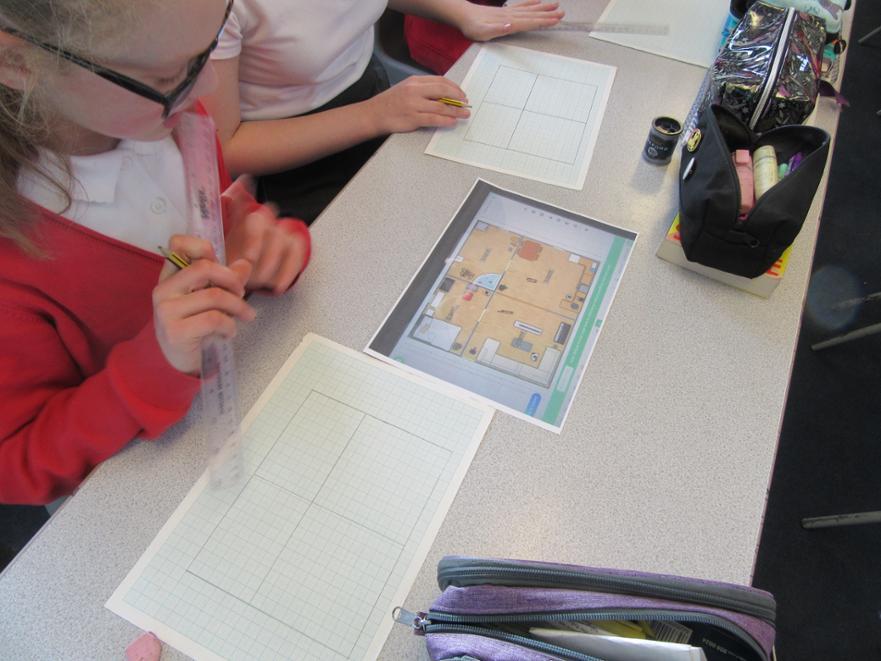
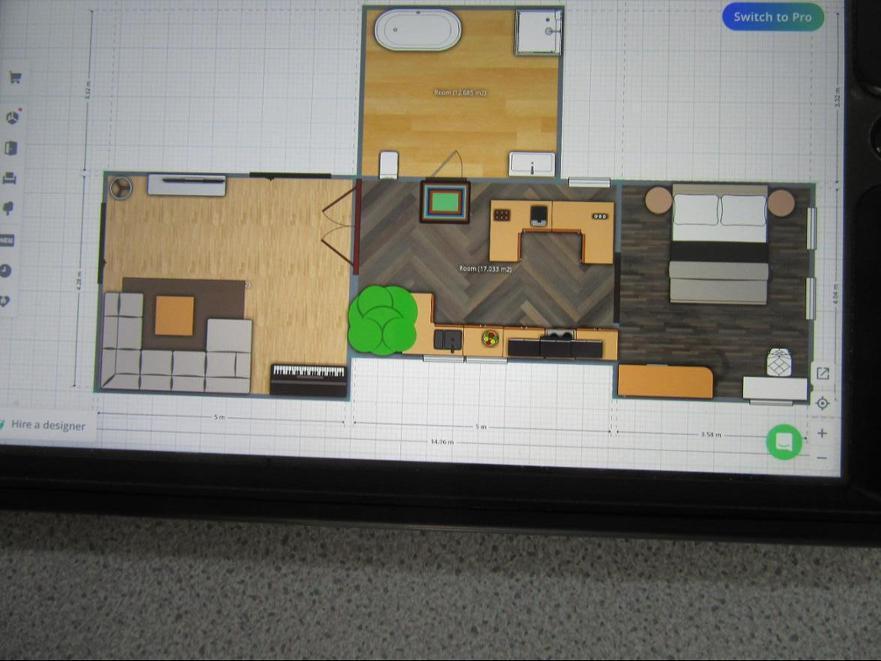
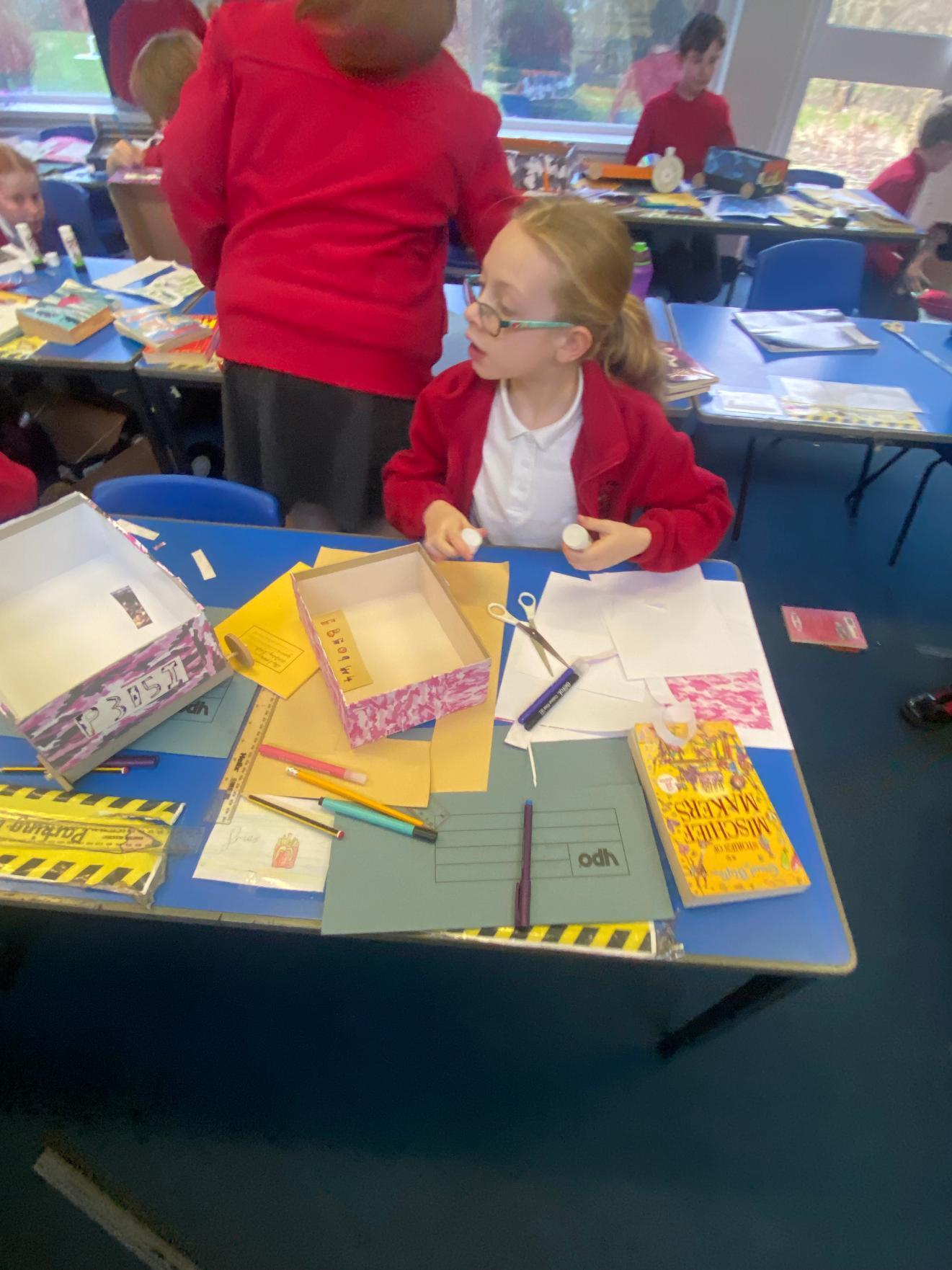
At Delph Primary School we aim to give children opportunities to develop their skills and knowledge in design, structures, mechanisms, electrical control and a range of materials, including food. It is our intention that Design and Technology will be creative and practical, whilst providing children with the opportunity to problem solve. We aim to provide children with experiences to become successful engineers, carpenters, chefs, sculptors, designers and architects. Children will be encouraged to develop their creativity and to think about important issues.
We intend to ensure that Design Technology is an inspiring and practical subject, allowing children to use their creativity and imagination. Pupils will design and make products that solve real and relevant problems within a variety of contexts, considering their own and others’ needs, wants and values. Pupils will learn how to take risks, becoming more resourceful, innovative, enterprising and confident. We recognise the important role that DT has in preparing our children with important life-skills.
Implementation
From Foundation Stage through to Year 6, pupils are given opportunities to explore the use of materials and tools; to design and make prototypes; to discuss how things work; and to discuss how they could be improved. They are presented with design problems to solve, often working as part of a team. Design and Technology is taught in accordance with the National Curriculum. A strong focus for teaching is the use of correct technical vocabulary. We use a skills-based and ‘design, make, evaluate’ approach to teaching Design and Technology.
Aims
The national curriculum for Design and Technology aims to ensure that all pupils:
1. Develop the creative, technical and practical expertise needed to perform everyday tasks confidently and to participate successfully in an increasingly technological world.
2. Build and apply a repertoire of knowledge, understanding and skills in order to design and make high-quality prototypes and products for a wide range of users
3. Critique, evaluate and test their ideas and products and the work of others.
4. Understand and apply the principles of nutrition and learn how to cook.
The children are encouraged to use the exploration of existing products to gain first-hand experience of existing approaches. Pupils develop their understanding of the ways in which people in the past and present have used design to meet their needs. Children will design and make quality products using a range of tools, materials, and components, making connections with their learning across the curriculum including in maths, computing, science, and art and reflect on and evaluate techniques using subject-specific vocabulary. Children throughout EYFS, KS1 and KS2 are taught cooking and nutrition within the curriculum, which enables them to make healthy eating choices.
EYFS - Through Expressive Arts children are encouraged to construct and create, purposefully selecting tools and techniques needed to shape, assemble and join materials. Children learn through first-hand experiences which involve putting their ideas into practice to develop an awareness and understanding of the possibilities and limitations of different materials. Children are encouraged to explore, observe, solve problems, think critically, make decisions and talk about why they have made their decisions as they design and create. We foster children’s natural creativity and opportunities for investigation, designing and making are frequently offered in the EYFS.
Impact
Our Design and Technology curriculum will improve children’s practical and problem solving skills, their creativity, knowledge and understanding of design. It will develop children’s subject knowledge and draw on disciplines such as mathematics, science, engineering, computing and art.
Children will gain confidence working independently and as part of a team, learning to co-operate and listen to the views of others. Children will gain increased awareness and greater understanding of the ever-developing world around them. The skills and attributes they will develop in Design and Technology will benefit them beyond school and into adulthood including; the ability to use time efficiently, work with others productively, show initiative, independence, resilience and manage risks effectively. Their learning in this subject will help to develop well-rounded young people who will hopefully make a difference in the wider world.
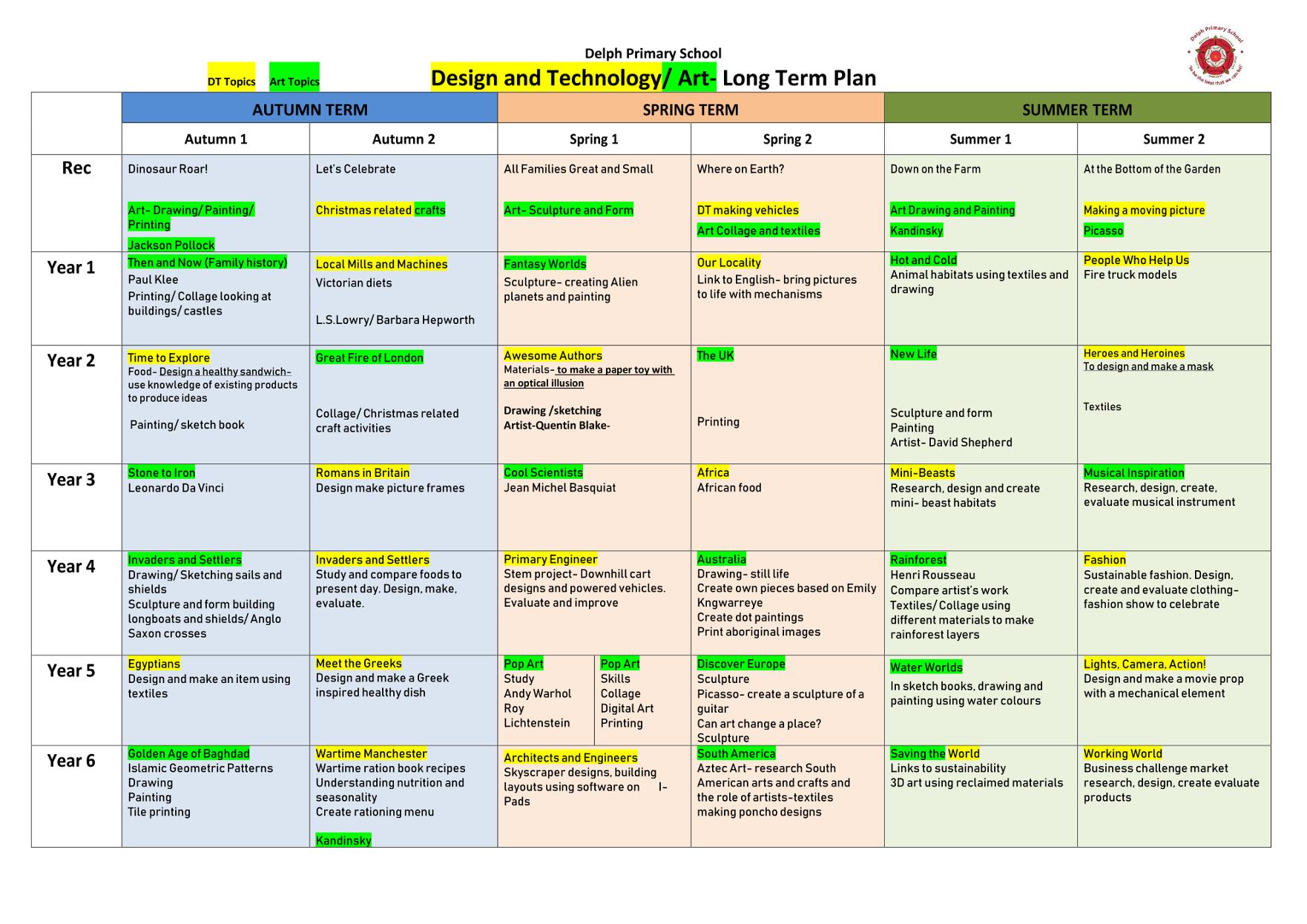
Design Technology & Art Long Term Overview

Design & Technology Progression Grid
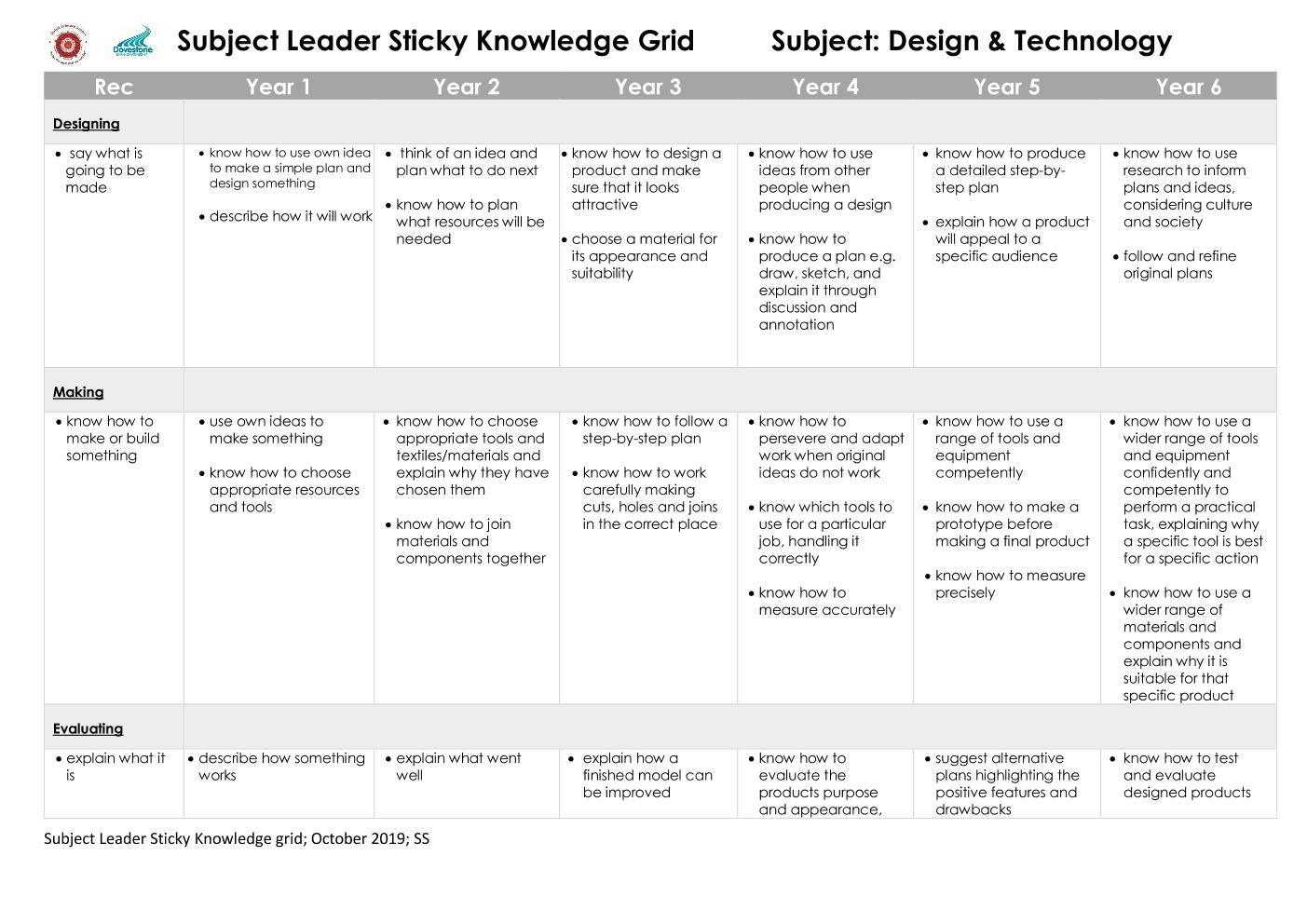
Sticky Knowledge
Sticky knowledge is the interesting facts and knowledge children need to know in this subject.
Design and Technology Learning Resources
Please use the links below to find useful resources.
 |
KS2 Design and Technology (BBC) |